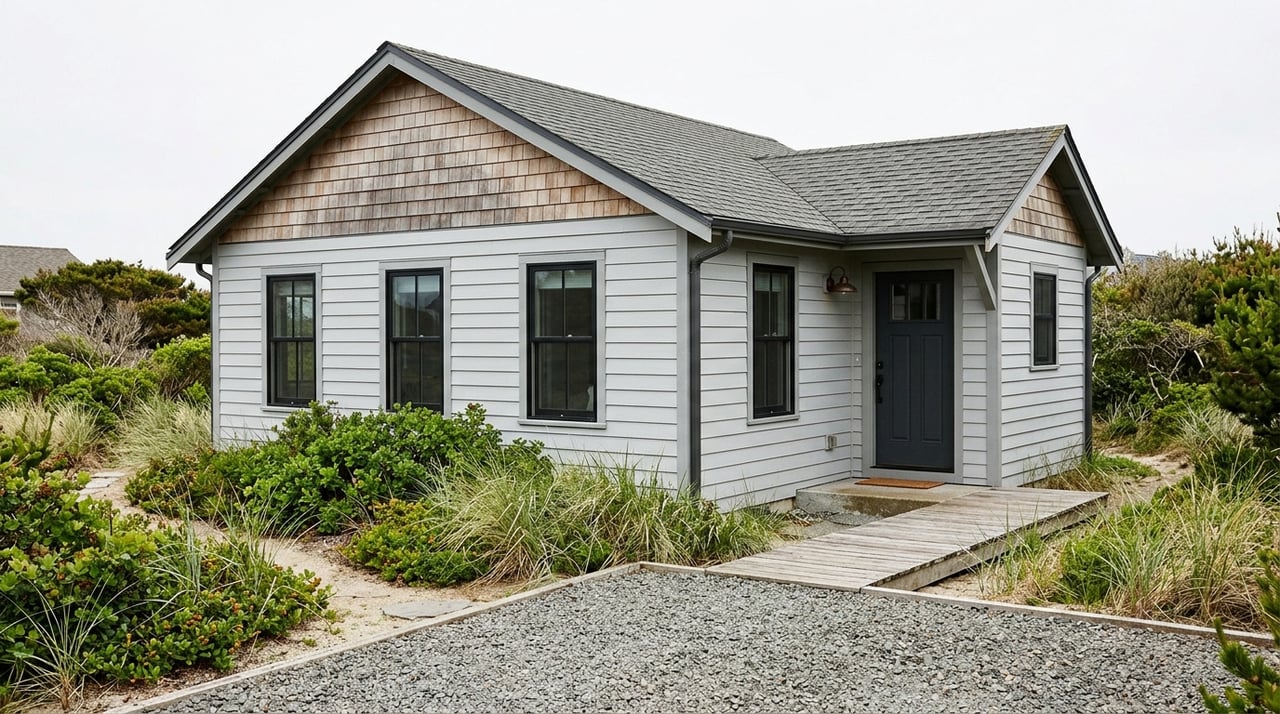
Oceanside vs Rockaway Beach for Your Vacation Home
May 28, 2026
May 28, 2026
Are you dreaming about a north Oregon Coast getaway but stuck between a quiet retreat and a more active beach base? That choice matters more than many buyers expect, especially when you want a vacation home that fits how you actually spend your weekends, host guests, or plan for future resale. If you are comparing Oceanside and Rockaway Beach, this guide will help you weigh the tradeoffs that matter most so you can choose with more confidence. Let’s dive in.
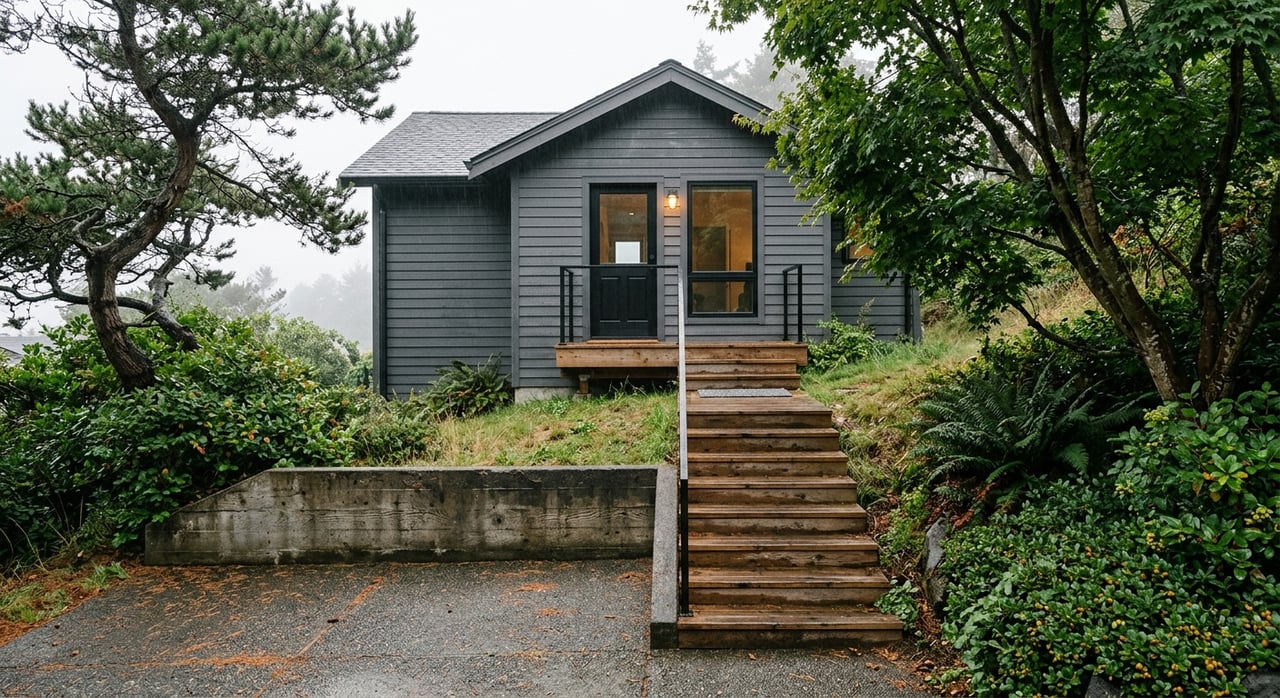
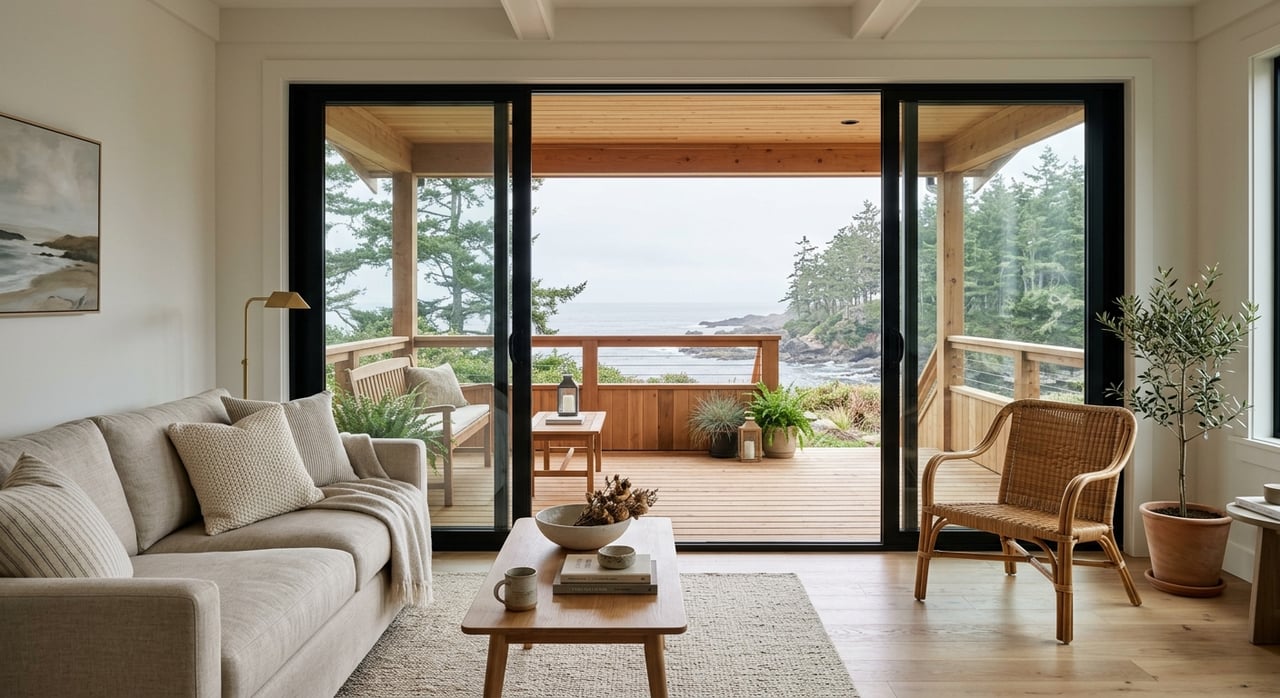
If your ideal vacation home centers on views, privacy, and a tucked-away feel, Oceanside stands out. Oregon Encyclopedia describes Oceanside as an unincorporated village with a natural amphitheater setting and notable views from homes throughout the area. Local planning materials also reinforce its small-village atmosphere and quiet, scenic identity.
If you want more services, more beach access points, and a town that feels easier for guests, Rockaway Beach may be the better fit. The city’s comprehensive plan points to a downtown core with everyday services like a grocery store, hardware store, drugstore, bank, post office, restaurants, and public restrooms. The city also supports a tourism-oriented economy and pedestrian-oriented downtown.
At a high level, neither town is objectively better. The real question is whether you want a more retreat-like setting or a more activity-and-access-oriented home base.
Oceanside is best understood as a small coastal village rather than a full-service beach town. It is served through Tillamook County and local service districts instead of its own city government, which reflects its smaller scale and unincorporated structure. That can appeal to buyers who want a lower-key setting with less of a town-center feel.
The local planning language around Oceanside repeatedly emphasizes scenery, solitude, privacy, and residential character. For many second-home buyers, that creates the kind of peaceful rhythm they are actually looking for when they picture weekends at the coast. If your goal is to unplug, enjoy the view, and keep things simple, Oceanside aligns well with that lifestyle.
Oceanside’s community materials place unusual emphasis on ocean and bay vistas. In fact, views from a residence were noted as personally important by many residents in the community survey cited in the plan. That gives Oceanside a strong identity as a view-forward market rather than just a beach-adjacent one.
That said, view value is not something to assume. The same planning materials note that larger newer homes on the hill can affect existing views, so lot placement and neighboring development matter when you evaluate a property.
Rockaway Beach feels more like a beach town with day-to-day services woven into the experience. Its downtown core includes a wider range of practical stops and visitor-facing amenities, which can make weekends easier and ownership more convenient. If you want to grab groceries, pick up supplies, or head into town on foot, Rockaway generally offers more of that functionality.
The city also places a strong focus on pedestrian circulation, beach access, crosswalks, and downtown activity. That suggests a more active public environment than Oceanside’s quieter village core. For some buyers, that energy is a plus, especially if the home will be used by family or rotating guests.
Rockaway Beach has 7 miles of beach and more than 31 public access points, with over 20 different places to reach the sand. That wider access network gives you more flexibility for how you use the beach day to day. It can also make the town feel easier for visitors who want options rather than one central access point.
For vacation-home buyers, this matters in practical ways. If you host friends and family often, a town with more access points and more services can make the stay feel smoother and less dependent on one parking area or one route to the beach.
Oceanside Beach State Recreation Site sits in the center of town and offers beach activities like agate hunting, tidepool exploration, and surfing. The site also includes tunnel access from Maxwell Point, which adds to Oceanside’s distinct setting. The beach feels central to the community, but access and parking are concentrated in a few key locations.
That concentration can be a tradeoff. Oceanside’s community plan says commercial-area parking is limited during tourist season, the state parking lot is often full or overflowing in summer, and the community club lot has only about 16 spaces. If you picture easy unloading for guests, beach gear, coolers, and chairs, that is worth considering.
Rockaway’s larger beach-access network gives you more options, but parking still takes planning. The Wayside is one of the most visible and commonly used access areas for tourist activities, fairs, and community events, and it has 29 adjacent parking spaces plus 2 RV spaces. Even so, the city’s planning documents say summer parking needs are severe and downtown parking challenges persist.
In other words, Rockaway may offer more flexibility, but it is not a guarantee of easy parking everywhere. Some public access points have parking, and some do not. When choosing a home, it helps to think beyond distance to the sand and look closely at guest parking, street access, and unloading logistics.
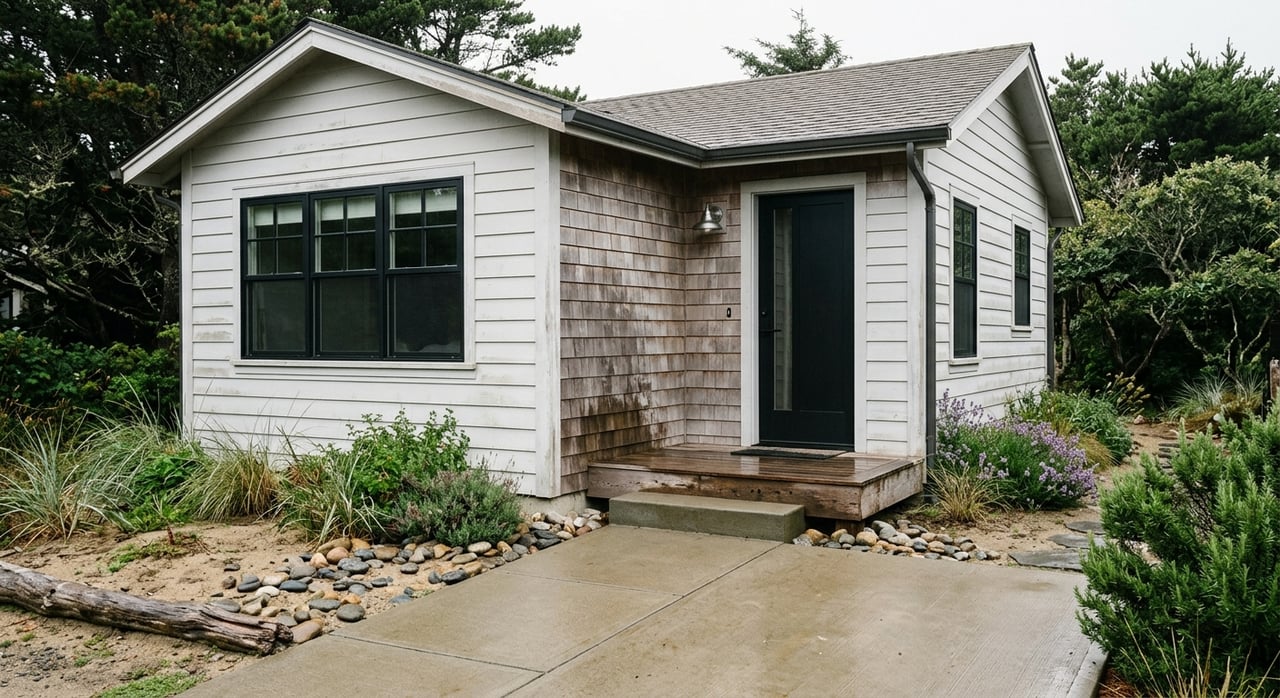
Oceanside is primarily a low-density residential market. County zoning for the Oceanside area is designed for low-density one- and two-family residential development, and local planning materials say the housing stock consists mainly of single-family dwellings. That supports the feel many buyers already associate with the town: cottages, smaller homes, and a more residential coastal village pattern.
There is some added flexibility in the commercial area, where planning materials allow forms such as one- or two-family dwellings, townhouses, row houses, condominiums, and small lodging uses. Still, the overall impression is a smaller-scale inventory with fewer broad-format housing options than Rockaway.
Rockaway Beach has a more varied housing menu in its zoning code. The city’s RMD zone allows single-unit dwellings, modular and manufactured homes, middle housing, manufactured dwelling parks, recreational vehicles, and related residential forms. The code also defines duplexes and townhouses and includes parking standards for these property types.
For you as a buyer, that can mean a wider range of price points, layouts, lot patterns, and use cases. If you are open to a detached home, townhouse, duplex-style option, manufactured home, or resort-adjacent property, Rockaway may give you more paths to the right fit.
If occasional vacation rental use is part of your plan, this is one of the most important differences between the two areas. In Oceanside, short-term rentals are governed by Tillamook County because Oceanside is unincorporated. In Rockaway Beach, short-term rentals are licensed by the city.
That creates different ownership questions in each market. In Oceanside, you need to confirm county eligibility and applicable standards for a specific property. In Rockaway, the city says short-term rental licenses are capped at 420, the current number exceeds that cap, and new applicants are placed on a waiting list.
In Rockaway, a property’s vacation-rental appeal may depend in part on whether it already has a license or can qualify under current city rules. That makes due diligence especially important if you are shopping with rental income in mind. A home that looks perfect on paper may not fit your plan if licensing is limited.
In Oceanside, the framework is different, but the takeaway is similar: do not assume. Before you buy, it is smart to verify how current county rules apply to the property you are considering.
Resale often comes down to how well a property matches the reason buyers choose the town in the first place. In Oceanside, planning priorities consistently point to views, solitude, and a small-scale residential setting. In Rockaway, the emphasis is more on beach access, downtown circulation, and visitor convenience.
That means different features may carry extra weight depending on the town. In Oceanside, outlook, privacy, and parking practicality may shape long-term appeal. In Rockaway, guest usability, beach access, downtown convenience, and short-term rental status may matter more.
The best purchase is usually the one that fits both your lifestyle now and the buyer pool most likely to want that same property later. If you stay focused on that match, you are less likely to buy based on a coastal daydream that does not hold up in real use.
If you are comparing Oceanside and Rockaway Beach for a vacation home, the right choice often comes down to one simple question: do you want a scenic retreat or a more flexible beach-town base? Both can be great fits, but the better fit is the one that supports how you want to live, host, and own on the coast. If you want help sorting through the tradeoffs property by property, Megan Despain can help you narrow the options with practical local guidance.
Get assistance in determining current property value, crafting a competitive offer, writing and negotiating a contract, and much more. Contact me today.