Your Guide to Buying a Rockaway Beach Vacation Home
July 23, 2026
July 23, 2026
Dreaming about a place by the ocean is easy. Choosing the right vacation home in Rockaway Beach is where the real work begins. If you want a beach house that fits your lifestyle, budget, and long-term plans, it helps to understand how this market works before you fall in love with a view. Let’s dive in.
Rockaway Beach has long been a vacation-home market, not just a beach town with a few second homes mixed in. The city’s comprehensive plan noted that about half of its roughly 1,600 homes were vacant for recreational or seasonal reasons in the 2000 Census. That long pattern still shapes how buyers approach the market today.
For you, that means competition can feel different here than in a typical year-round residential market. Buyers are often balancing personal use, future retirement plans, and possible rental income, all while weighing ownership costs that come with coastal property.
Current pricing also shows a broad range, but not always deep inventory. Zillow’s Rockaway Beach home value index was $465,129 as of June 30, 2026, while Homes.com showed a median single-family listing price around $499,900 and a condo median around $504,500. Single-family listings ranged roughly from $329,999 to $1,495,000, with condo listings clustering from about $520,000 to $795,000.
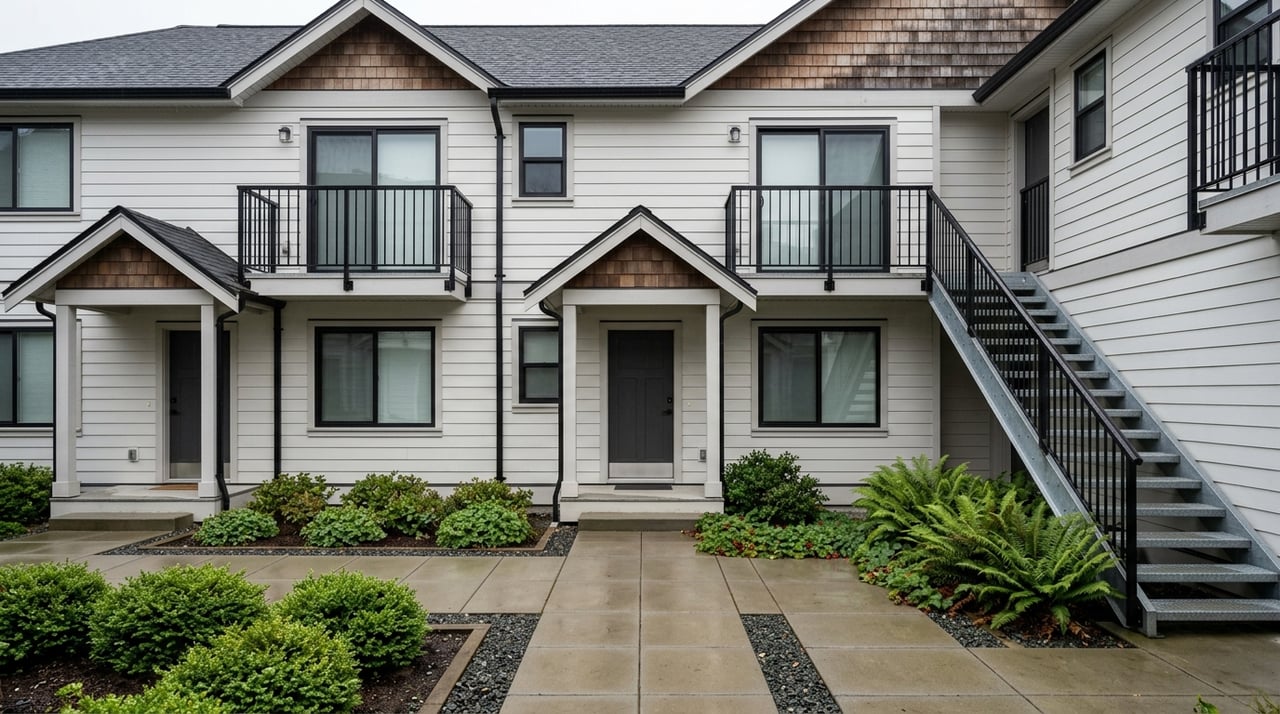
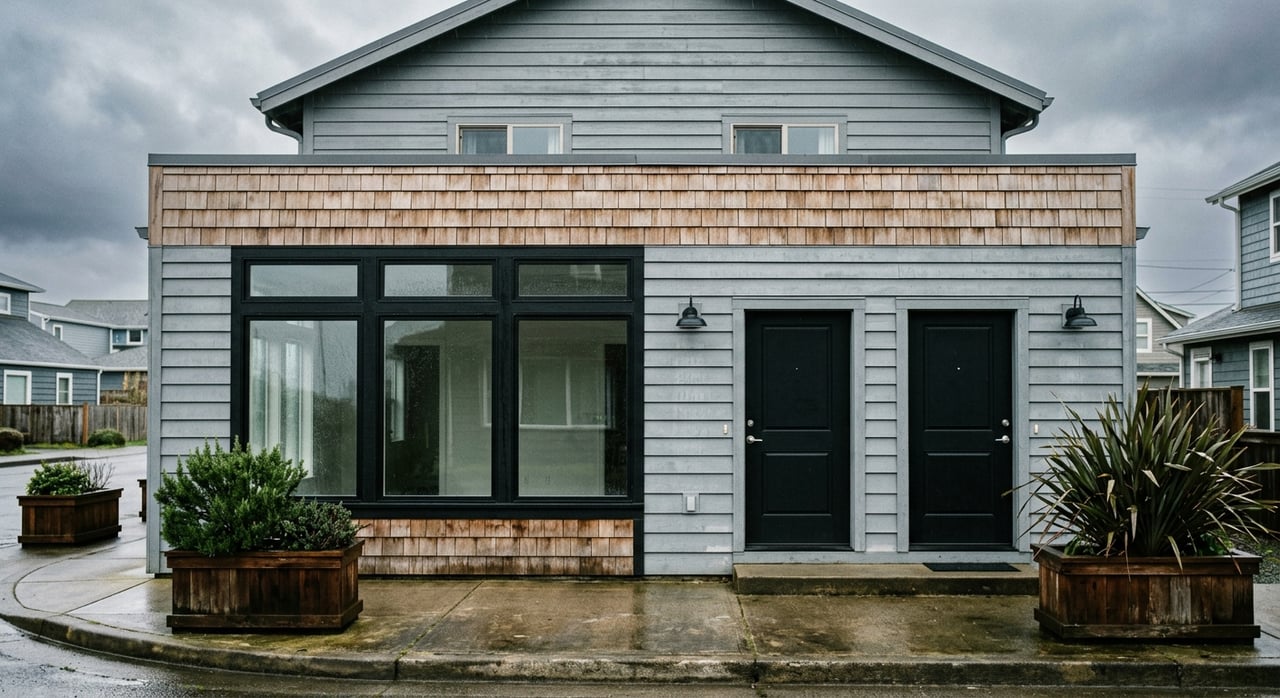
Rockaway Beach offers more variety than many buyers expect. Local zoning allows single-unit dwellings, manufactured homes, middle housing, multi-unit dwellings, cottage clusters, and townhouses. That creates a market with more than classic detached beach cottages.
In active listings, you may see single-family homes, condos, mobile homes, duplex-style opportunities, and land. That mix can be helpful if you are deciding between a lower-maintenance getaway, a full-time future residence, or a property with more flexible use potential.
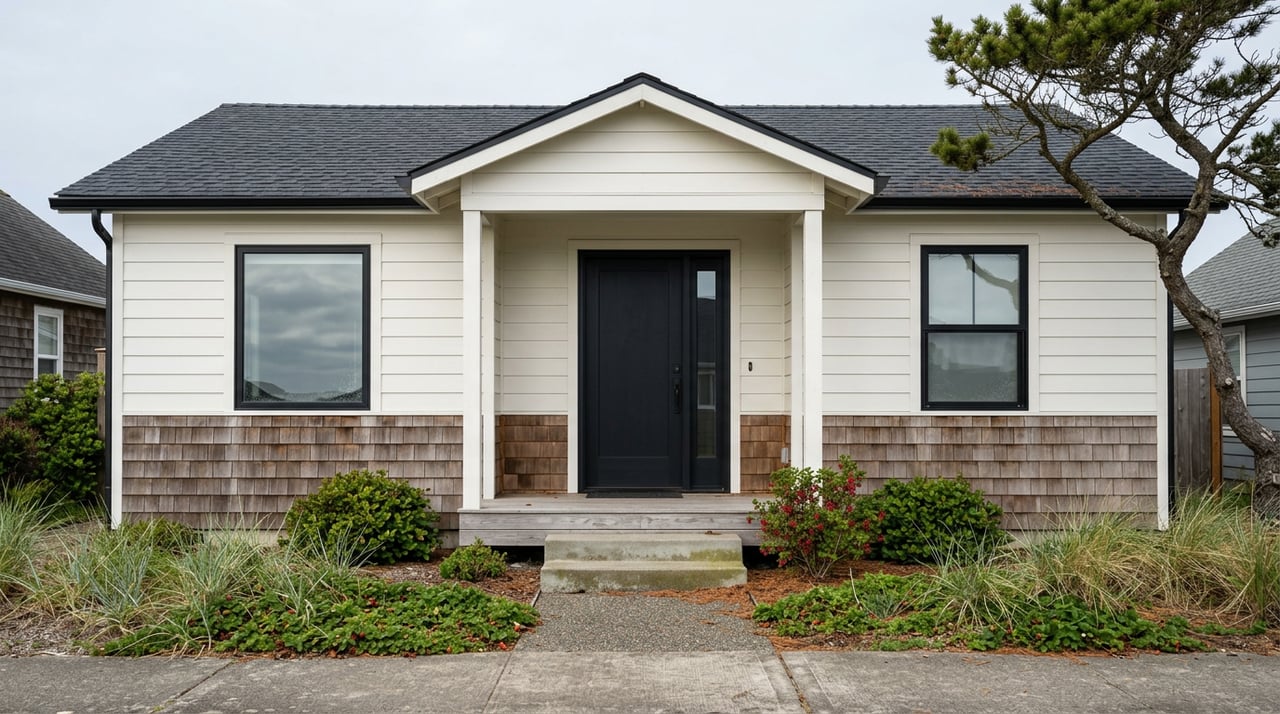
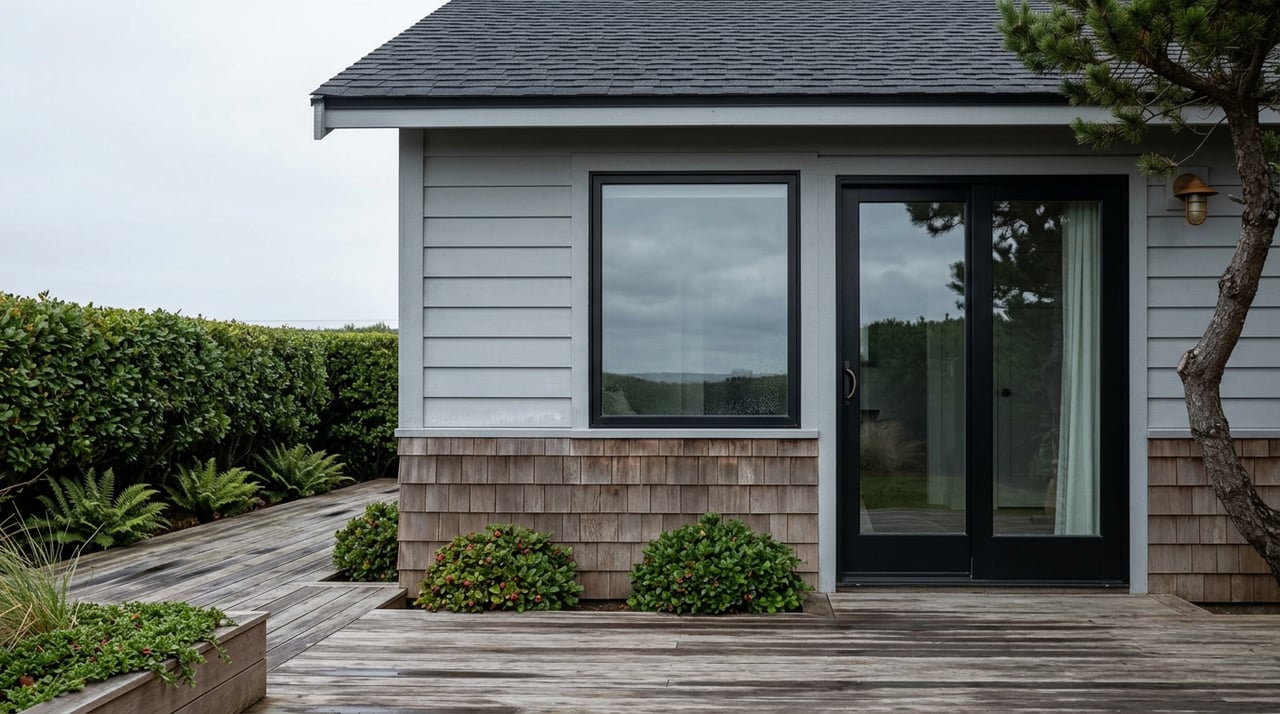
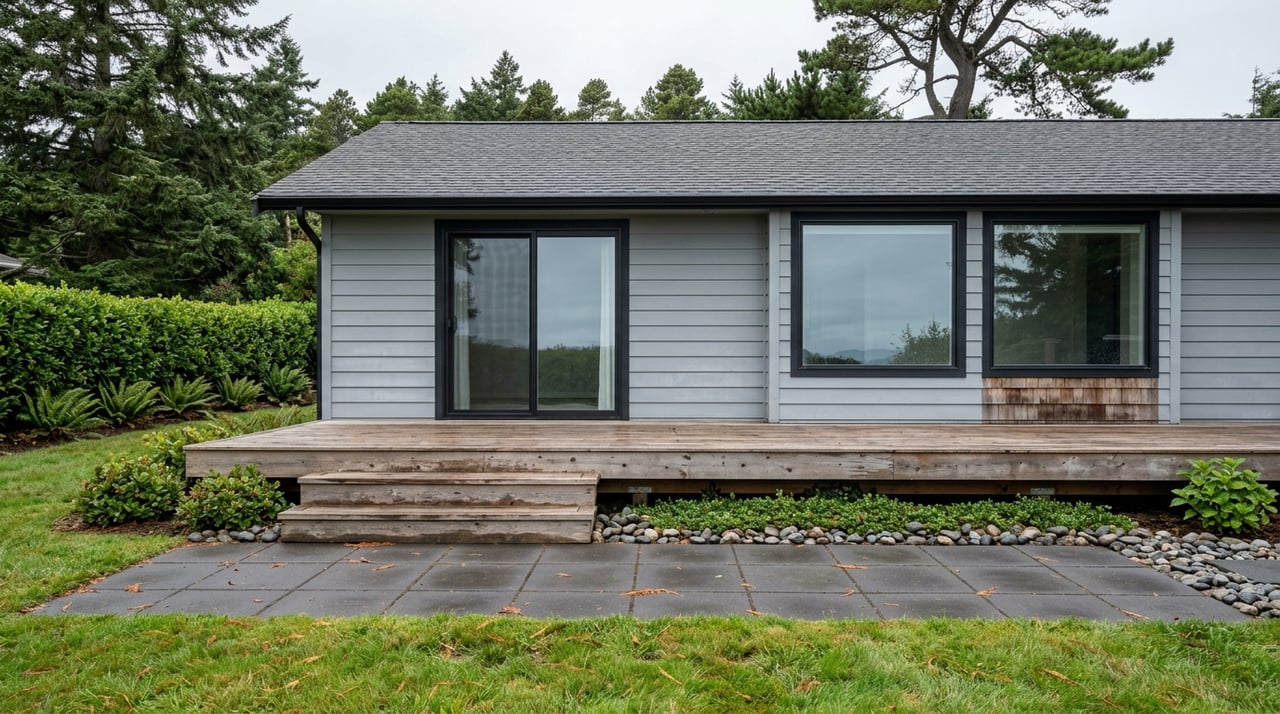
These are often the first properties buyers picture when they think about a Rockaway Beach vacation home. Depending on location and condition, they can offer more privacy, more storage, and better outdoor living space, but they may also bring more maintenance.
Condos can appeal if you want simpler ownership and less exterior upkeep on your plate. In Rockaway Beach, condo pricing may sit right alongside detached homes, so it is smart to compare value based on location, layout, and ownership responsibilities rather than assuming a condo will always cost less.
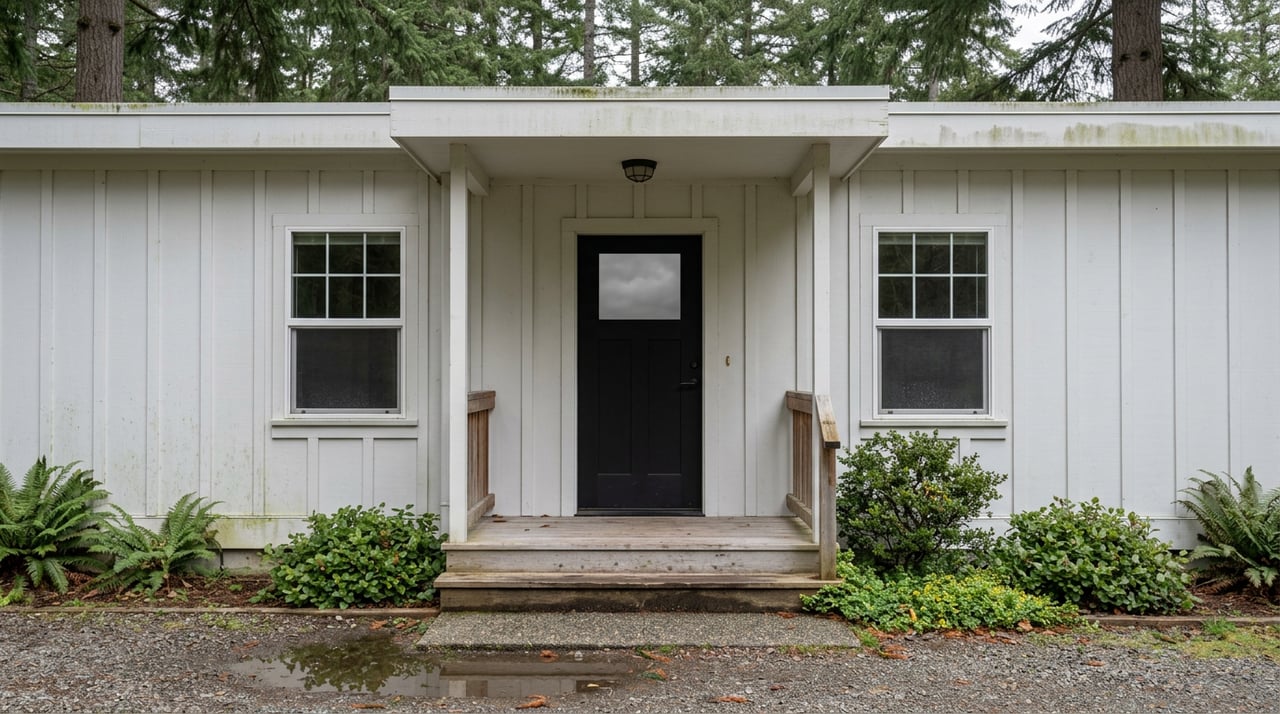
Because the local housing stock is diverse, you may also come across manufactured homes, multifamily properties, or land parcels. For some buyers, that opens the door to a more budget-conscious coastal purchase or a property that better fits long-term plans.
One of the biggest decisions is not just what to buy, but where in Rockaway Beach you want to own. Different parts of town can feel very different in day-to-day use, especially if you plan to split time between personal stays and guest use.
This is the most visitor-oriented part of town. City mapping places downtown and business-district zones around Highway 101, City Hall, and Nehalem Avenue, and the Wayside is described as the most visible beach access point for tourist activity and community events.
If you want to be close to the center of activity, this area may appeal to you. At the same time, a more visitor-heavy setting can mean a different ownership experience than a quieter residential street.
The north side has a mixed resort-residential feel. The city describes the Manhattan area as a narrow strip with motels, weekend cabins, and permanent residences, while local tourism materials note that Manhattan Beach is usually less crowded than the Wayside.
For many buyers, this part of town offers a useful middle ground. You still get beach access and a coastal setting, but the feel may be different from the main visitor hub.
The south end is another pocket buyers often consider. Official tourism information describes access points between the Wayside and the southern city limits, with several spots designed more for pedestrians or limited parking than full-scale visitor traffic.
If you are looking for a lower-key access pattern, this area may be worth a close look. Still, as with much of Rockaway Beach, street layout, parking, and beach access can vary a lot from one property to the next.
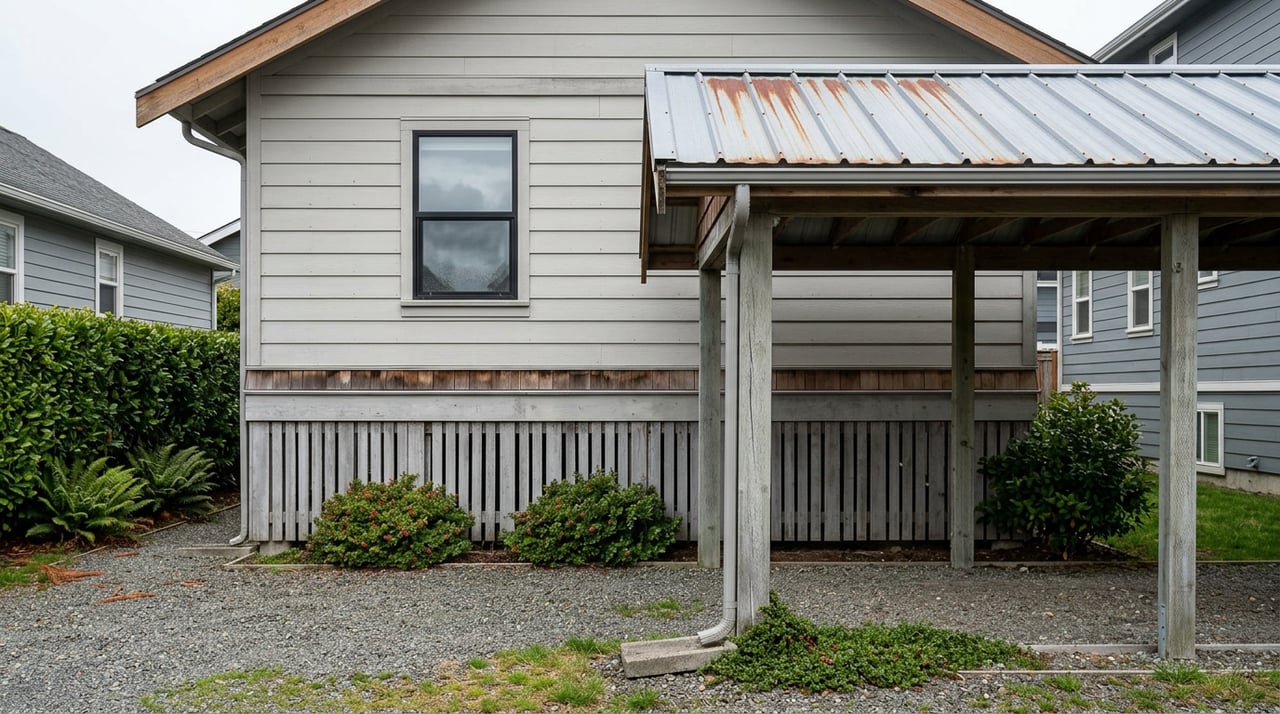
A vacation home on the Oregon Coast can be rewarding, but it also asks more from you than an inland second home. Rockaway Beach’s public works department notes that the coastal climate creates infrastructure challenges, and Oregon State University Extension and FEMA both point to common risks like moisture intrusion, corrosion from salt air, rot, and insect pressure.
That means the view should never be the only thing driving your decision. The building envelope, drainage, and overall condition of the home deserve just as much attention.
A smart coastal due-diligence review should include these items:
OSU Extension specifically recommends annual inspections for moisture and insect damage. If you live out of town, it is especially important to be realistic about how you will monitor and maintain the property between visits.
In Rockaway Beach, hazard planning is not a side note. The city maintains FEMA flood maps, notes that many properties are in a floodplain, and provides tsunami preparedness resources. DOGAMI’s county risk summary also says coastal erosion risk is higher in Rockaway Beach than in most other Tillamook County communities.
For you, this means hazard questions should come up early, not after you are emotionally committed to a property. Floodplain status, evacuation planning, and erosion exposure can all affect your comfort level, ownership costs, and long-term use.
Before moving forward, make sure you understand:
Utilities in Rockaway Beach are fairly straightforward, but you still want to confirm details early in the process. The city handles water and sewer service and account setup, while Tillamook PUD provides electricity. The city’s water system serves Rockaway Beach, Manhattan Beach, and Nedonna Beach within the urban growth boundary.
The city’s 2026 fee schedule lists in-city bi-monthly base charges of $94.29 for water and $108.90 for sewer before usage charges. Those are not the only costs of ownership, but they are useful numbers to factor into your planning.
If you are buying from out of town, utility verification is one of the simplest ways to avoid surprises. Make sure you know whether water and sewer are already connected, what billing cycles look like, and how those costs fit into your overall budget.
If you want a vacation home that may also produce rental income, this is one of the most important parts of your search. Rockaway Beach defines a short-term rental as a residential dwelling unit rented for less than 30 consecutive days, and the city requires a license to operate one.
Right now, the city says the number of licenses exceeds the cap. The cap is set at 420 licenses, and there is a waiting list for new applicants.
You should not assume a property can become a vacation rental just because it is in a beach town or because a listing mentions income potential. Local licensing rules control whether the property can legally operate as a short-term rental.
Some listings may advertise a transferable short-term rental license. Even then, the city’s rules still control whether the license can transfer, renew, and remain compliant after closing.
Rockaway Beach requires short-term rental operators to follow detailed operational rules. These include:
The city also uses a July 1 to June 30 license year. Starting with the July 1, 2027 renewal period, the property must have been rented at least 30 days in the prior 12 months to qualify for renewal.
The license is tied to the owner, but it may transfer with the property if the new owner notifies the city within 30 days of closing. Rockaway Beach also collects transient room tax from short-term rentals, so tax and license compliance both matter.
If you are shopping from Portland, the Willamette Valley, or farther away, it helps to narrow your search around a few practical decisions first. In Rockaway Beach, that can save you time and help you avoid chasing homes that do not match your real goals.
Ask yourself:
Those questions matter here because Rockaway Beach has both a large seasonal-home presence and a capped short-term rental system. Your answers will shape which properties are truly good fits.
As you compare homes, focus on these core due-diligence items:
Rockaway Beach can be a great match if you want a true beach town, direct beach access, and the option to own a home that supports both personal enjoyment and possible rental use. It is especially appealing if you value local character and understand that ownership here is shaped by climate, access, and local rules.
At the same time, this is not the kind of second-home market where you should buy first and sort out the details later. The best purchase is usually the one that matches how you plan to use the property, how much upkeep you can handle, and how comfortable you are with local licensing and hazard realities.
If you want clear, local guidance as you compare beach cottages, condos, or flexible-use coastal properties in Rockaway Beach, Megan Despain can help you sort through the details and find the right fit.
Get assistance in determining current property value, crafting a competitive offer, writing and negotiating a contract, and much more. Contact me today.